Volunteer Firefighter Training: What to Expect

Ready to make a difference in your community? Becoming a volunteer firefighter is one of the most rewarding ways you can serve, and it all starts with volunteer firefighter training. Whether you're completely new to the fire service or have some experience, here's what you can expect when you begin your journey.

Step 1: Orientation
Your first step will be an orientation session at your local fire station. During this time, you’ll:
Meet your department’s leadership and fellow volunteers
Learn about expectations, safety protocols, and your responsibilities
Tour the station and get introduced to the equipment
This is your chance to ask questions, understand the culture of the department, and get excited about what’s ahead.
Step 2: Basic Fire Academy Training
Once you're on board, you’ll begin your basic fire academy through a state-certified organization such as the Lancaster County Public Safety Training Center. This is a critical part of your development as a firefighter and typically includes over 100 hours of instruction spread across evenings and weekends.
You’ll train in topics such as:
Organizational Structure
Understand the chain of command, fireground leadership, and how communication flows during an emergency response.
Exterior Firefighter Tactics
Learn how to operate safely around a burning structure. You'll practice hose deployment, ladder placement, ventilation, and exposure protection—all from the outside.
Interior Firefighter Tactics
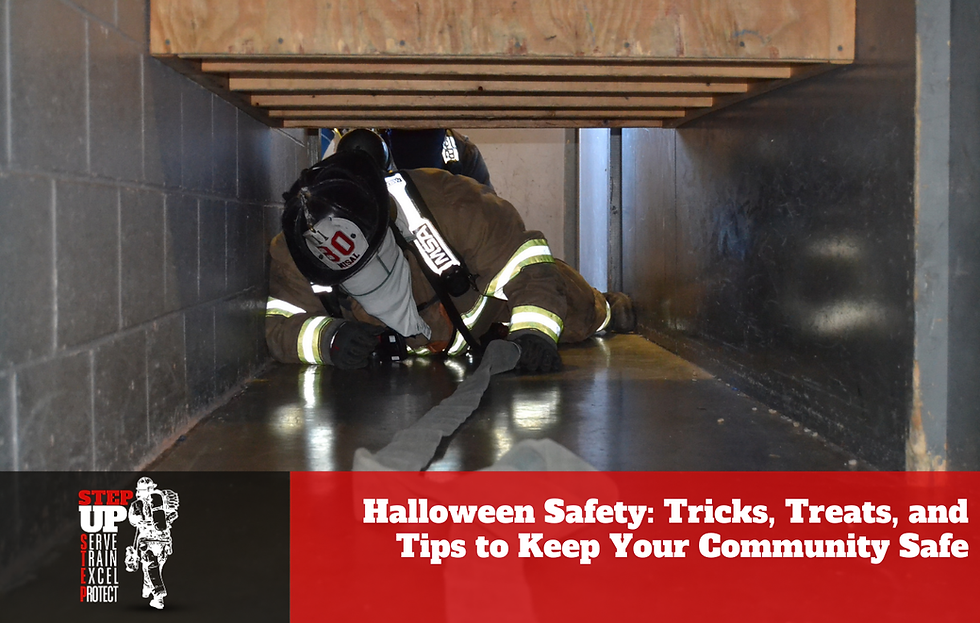
You’ll learn how to conduct search and rescue, suppress fire from within a structure, and navigate using thermal imaging and safety protocols in zero-visibility conditions.
All instruction is led by certified professionals in a controlled, hands-on environment that mimics real-life fireground scenarios.
Step 3: Hands-On Department Drills
Back at the station, your department will hold regular training nights to help you:
Stay sharp and up to date
Practice teamwork and communication
Build muscle memory for operating under pressure
These drills are where the bond between crew members grows strongest.
Optional: EMS & Medical Training
Many volunteer departments also offer opportunities for you to take Emergency Medical Responder (EMR) or EMT training. Medical calls of certain natures are a part of fire department responses, so EMS skills can make you even more valuable to your community.
What You’ll Need In Volunteer Firefighting Training
Commitment – Training takes time, but it’s worth every second.
Team Mentality – You’ll train and serve alongside a close-knit crew.
Willingness to Learn – No experience is needed—just drive and dedication.
Ready to Answer the Call?
If you're ready to push your limits, learn lifesaving skills, and join a team that feels like family, we’d love to meet you.
Stop by your local station or submit an application at jointhefd.com
Volunteer firefighter training is just the beginning—but it’s where courage, commitment, and community come together.


Comments